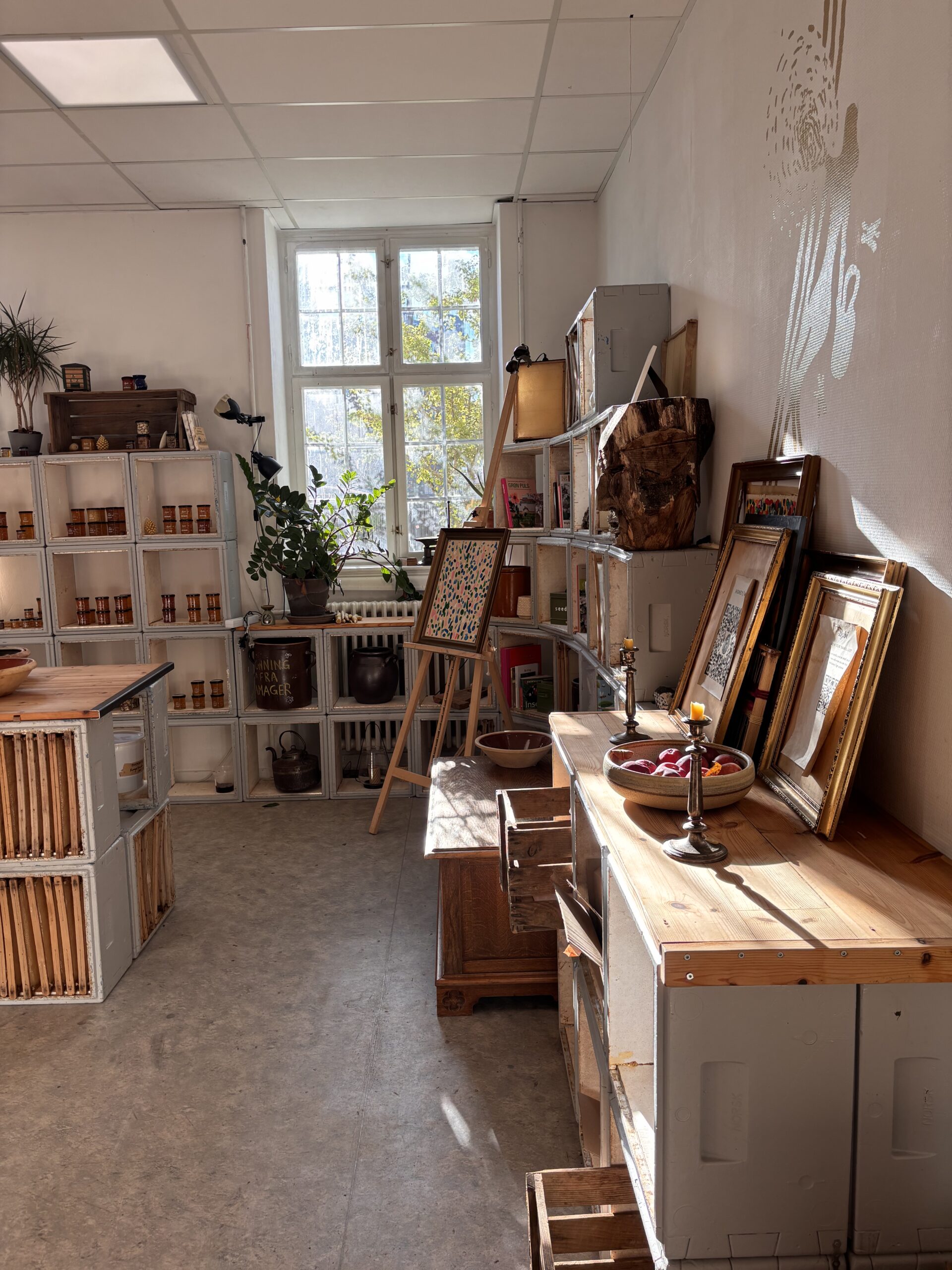
Sundholm: Prison / Factory / Hospital / Beehive?
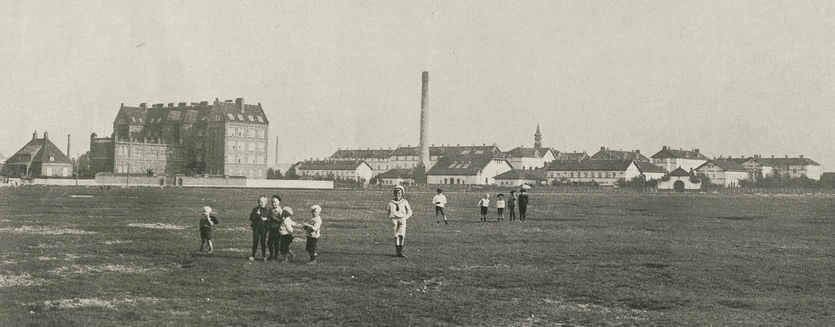
Welcome to Sundholm, Bybi’s headquarters and the site of Copenhagen’s first, and at the time, most advanced ‘work-house’ built in 1907. The sturdy yellow-brick buildings are in an overlooked corner of the city. Tourists don’t come here. Many locals avoid it. But Sundholm is a fascinating historical site that reveals much about how we think of ‘work’ in modern society – and how we think about bees. In Dutch, the word for this kind of institution is a ‘colony’. The same word we use in English for a beehive.
Sundholm was built at a time when Denmark was undergoing massive industrialisation and urbanisation. After struggling through much of the 19th century as an agricultural backwater, things moved fast on the back of huge advances in animal productivity. Butter, milk and bacon poured into world markets. Land reforms and urban development had people flocking to the cities. Along with them came new kinds of poverty. This was the atmosphere in which Sundholm was built, as a confident combination between a factory, prison and a hospital.
In those days, entering the gate meant accepting the discipline of the institution. Men and women separated, strict daily routines in the factories and workshops. If you ended at Sundholm, the cure to your problems was work.
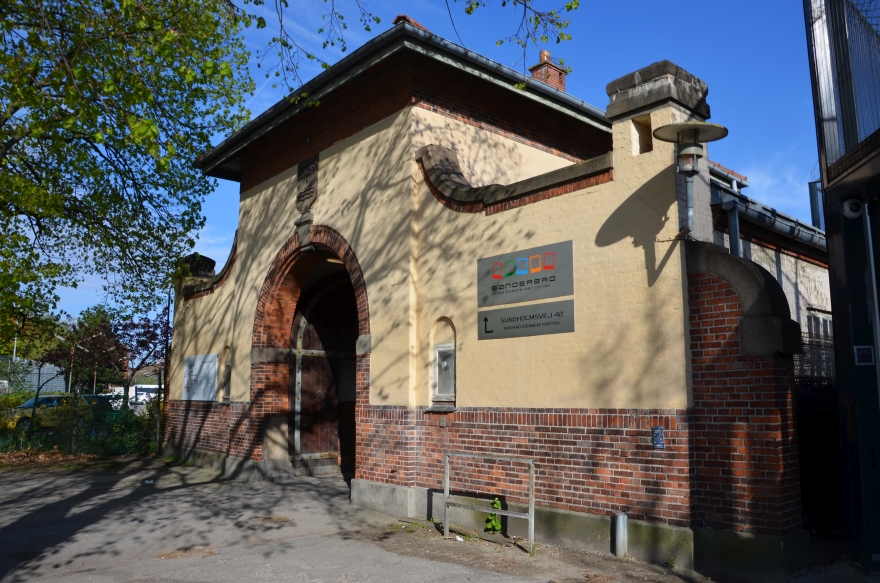
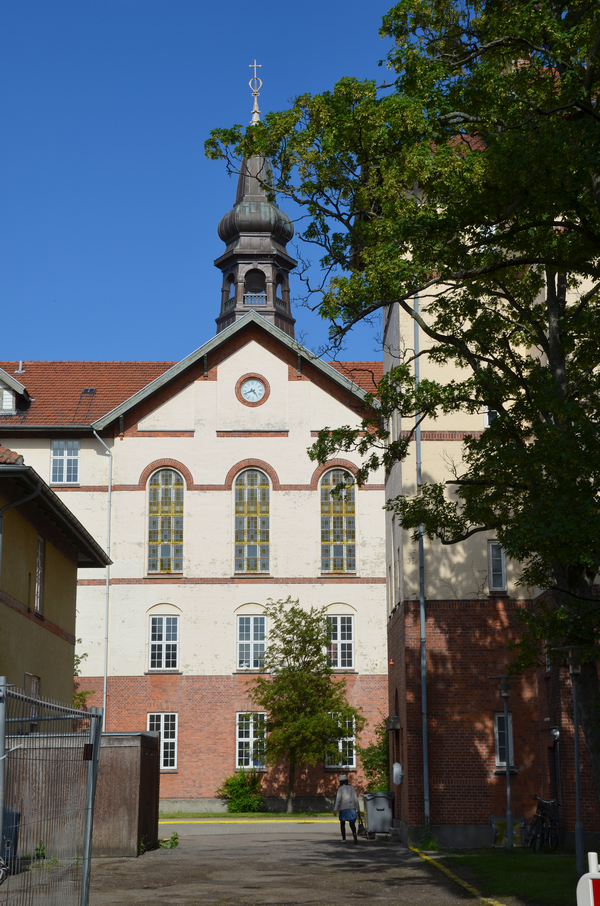
Today, many things have changed. Sundholm is still a municipal shelter for homeless and vulnerable people. But it is free to come and go. Some things, however, still trace their roots to the old days. Until recently, the municipal job centre was at Sundholm. As a society, Denmark (and many other western countries) still insist that ‘work’ is the institution that will bend the misfits into a shape that will fit in the social machine.
Bybi is not a part of the municipal organisation at the Sundholm site. We work with our neighbours in lots of ways, but we are independent. We are not a ‘work-integration’ organisation and do not follow the logic or purpose of explicitly creating jobs for long term unemployed.
There is an idea that there are parts of the work market available to people from the most marginalised groups, as long as they learn to show up on time and smile. In our experience this idea breaks on contact with the longer-term trends in the economy and work market. The effects of technology, efficiency and now AI are leaving more and more people behind. One can argue that the logic that built Sundholm was never really the point. One can argue that it was always more about disciplining the poor than about helping people take control of their lives (Thanks, Foucault). One can also say that the old logic of work integration is increasingly difficult to justify. A crisis in the meaning of work (even the possibility of work) can be added to the biodiversity crisis and the climate crisis that our societies are now facing.
Of course there are individual success stories. But there are also countless stories of people who experience being pushed around unemployment system for decades in unpaid internships which have the goal of ‘teaching them how to work’ by ‘working’ in made-up jobs for free. The circulation of money in these schemes can become quite Kafkaesque. The government will pay conditional benefits to an unemployed person, and a salary to a mentor or social worker to supervise them. The unemployed person will manufacture a product (without being paid), which is sold at a premium (because revenues help the socially excluded), but which still doesn’t come close to covering the cost of its manufacture. A steady stream of philanthropic funds needed to top up the shortfall, based on ‘innovative’ projects that last 3-5 years. It’s a mess to administer and a mess to work in. A hopeless tangle of power relations and interest conflicts.
At Bybi we don’t want to reproduce this system. Our volunteers and staff come from many different backgrounds, but they come because they choose to and contribute to our community. We don’t take any money from the government or funds or job creation schemes. We are interested in autonomy, self-management and we look for ways to be open to cultivating co-creators of a community outside the logic of factory manufacturing.
The bees are here too. The idea of bees and beehives as icons of discipline, work and productivity was a myth born of the same industrial logic. Today, research shows bees as intelligent, self-managing and democratic. Perhaps there is a way forward together?
There are lots of proposals for alternatives and how they could work – for example a Universal Basic Income scheme.
I was recently at a meeting with a older director of a traditional ‘work integration social enterprise’ in which I raised this issue. I got a scathing look. “Yes, we all agree that Universal Basic Income is great and probably inevitable. The question is if it happens in my lifetime or yours” she snapped. My response is that it will never happen at all, if we don’t stop reproducing the system that got us here in the first place. And certainly not if we don’t actively empower each other to advocate for it.