HOW DO WE CARE FOR THE BEES?

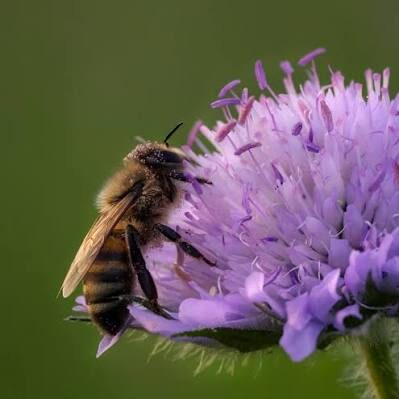
Bees are people. People are bees. We have a long shared history, and a shared destiny. It is one of the ironies of the rewilding movement, that today, neither people nor honeybees could survive long ‘in the wild’. For honeybees, centuries of breeding have improved productivity at the cost of health and resilience. As industrialised agriculture spreads, honeybees spread with it – often endangering other pollinator species. Where do we go from here?

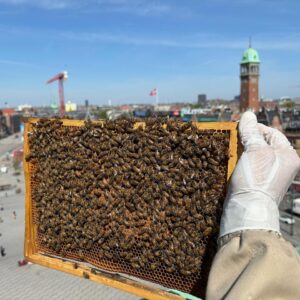
Our beekeeping team has balance these effects. Our beekeeper Aref is Kurdish-Syrian and comes from a culture with a long history of beekeeping. But he also carries a history with him: fleeing from conflict and seeking a life in a society that is not always welcoming or understanding of his situation. 

Working with bees means navigating trouble that is present in both people and the living world.
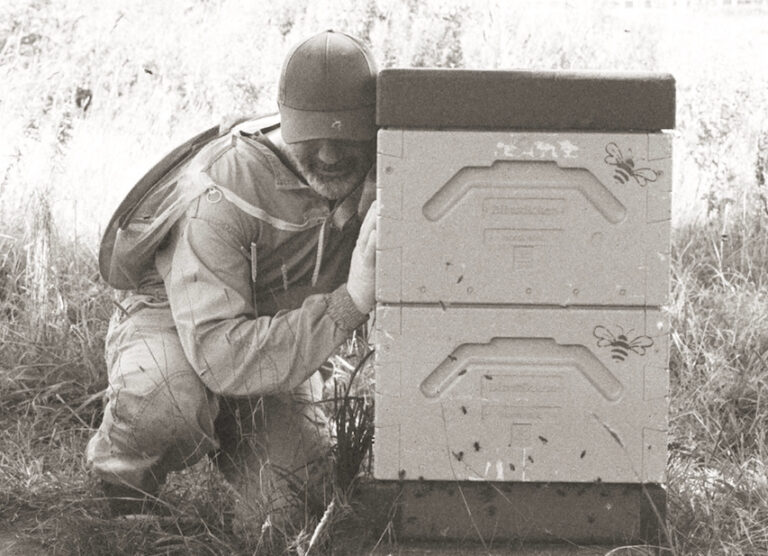
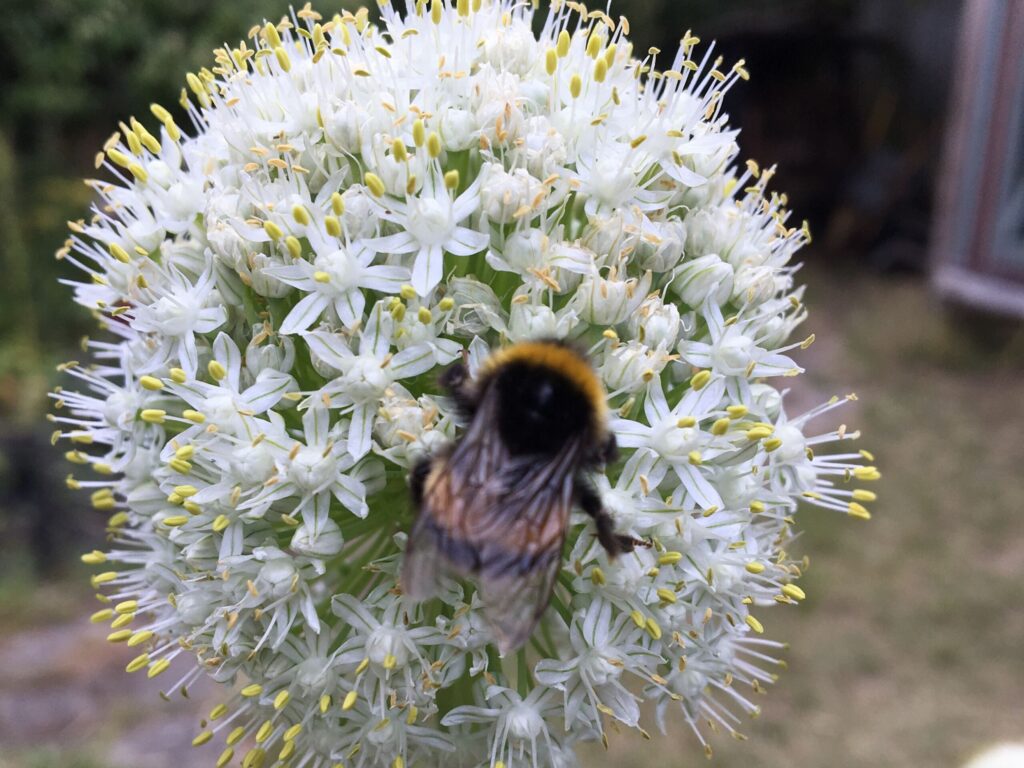
Taking the logic of ‘production’ away from the bees is the first step. This gives us space and time to try to find ways to keep the bees healthier. We have tried to reduce the number of bee colonies per site and to let the bees keep more of their honey. We insist on sharing flowerseeds with the honey – not just for honey bees, but also other urban pollinators. We collaborate with honey bee researchers, the beekeeping associations and biodiversity specialists to consider the needs of all bee species.

For us, the most interesting question is not ‘how do we make more honey’ but ‘what is it like to be a bee?’

But we have not resolved the dilemma that we share with the bees. How do we make sure the bees are happier and healthier? Our  efforts to try  new things  are all to often thwarted  by unexpected disasters – both natural and political.  

We think that there are no good solutions.  What we need is better questions  and the possibity to act on them. We test, talk, watch, listen and try again.

Understanding what it is like to be a bee is an ongoing process with no final answer.

Field reports