Henry Ford understood that his factories didn’t make cars. They made consumers. By paying his workers enough to buy the products they manufactured, the factories created an engine of growth and rising living standards that powered the Fordist model to dominance of the modern era.
We think that logic has gone too far. We are facing climate breakdown, a collapse of biodiversity and collapse in jobs driven by technology. How do we choose our technology on the basis of how it builds new connections and joint responsibility between animals, plants and people?
All technology is ‘a piece of a place’. It comes from somewhere, and it goes somewhere afterwards. We think materials and the technologies they become are invitations.
How does our use of them turn us into consumers, producers or active co-creators of the communities of which we are a part?
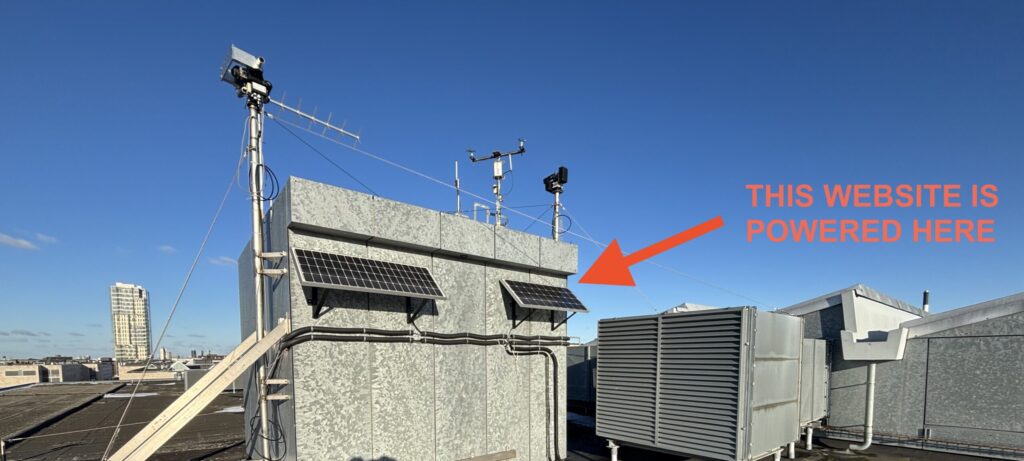
We work with the IT University to explore the design consequences of this. Our website is solar powered. You can visit the server where it lives on the roof of our neighbours. We try to avoid technology that harvests attention, is guided by invisible algorithms turns us into consumers without our consent. We demand attention, but we won’t compete for it.
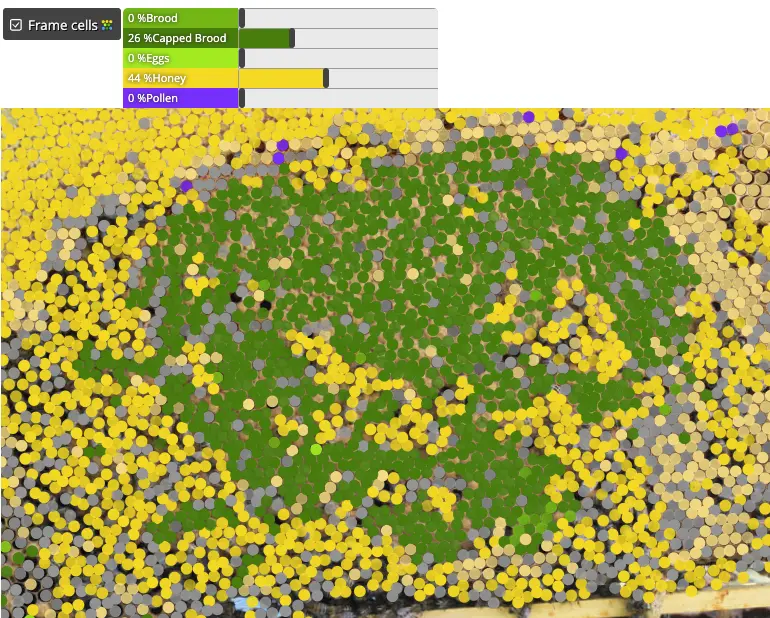
But we also face some difficult dilemmas. Our beekeeping technology is industrial and we don’t have the means to change it. Accounting systems, website templates and newsletter systems follow the same patterns.
How can we choose technology that cultivates empathy and intimacy with non-humans?
What should we say ‘no’ to?
How do way say no to technologies that seem impossible to resist?
What technologies are we already accepting uncritically?