HOW DO WE CREATE AND RENEW TRADITIONS THAT CONNECT PEOPLE PLANTS AND ANIMALS IN OUR CITY?

At Bybi we have long been fascinated by how the bundle of relationships that connect bees, flowers, people and honey have mirrored big questions about climate, fertility, sustainability, intelligence, nature and work. 

Bees carry meaning for cultures across the world and throughout history. For the Ancient Egyptians, bees were the tears of the Sun God Ra. For the Victorians, they were symbols of work and modernity (Think ‘workers’, ‘queens’ and ‘colonies’). In Denmark, beekeeping was mobilised by missionaries and industrealists in the 19th Century as a metaphor for godliness and productivity.

Teaching modern beekeeping was seen as a path to modernity, and a means to drive out ‘superstitions’ that had long mediated rural people’s relationships with the living world. In modern times bees have again become icons of sustainability and non-human intelligence. 

The path to a regenerative economy runs through this relationship.

This is why we are partnering with businesses, communities, artists and researchers to renew practices that connect people and nature through bees and honey. 

How do we present honey as ‘a currency of care’ that flows and connects people, plants and animals? 

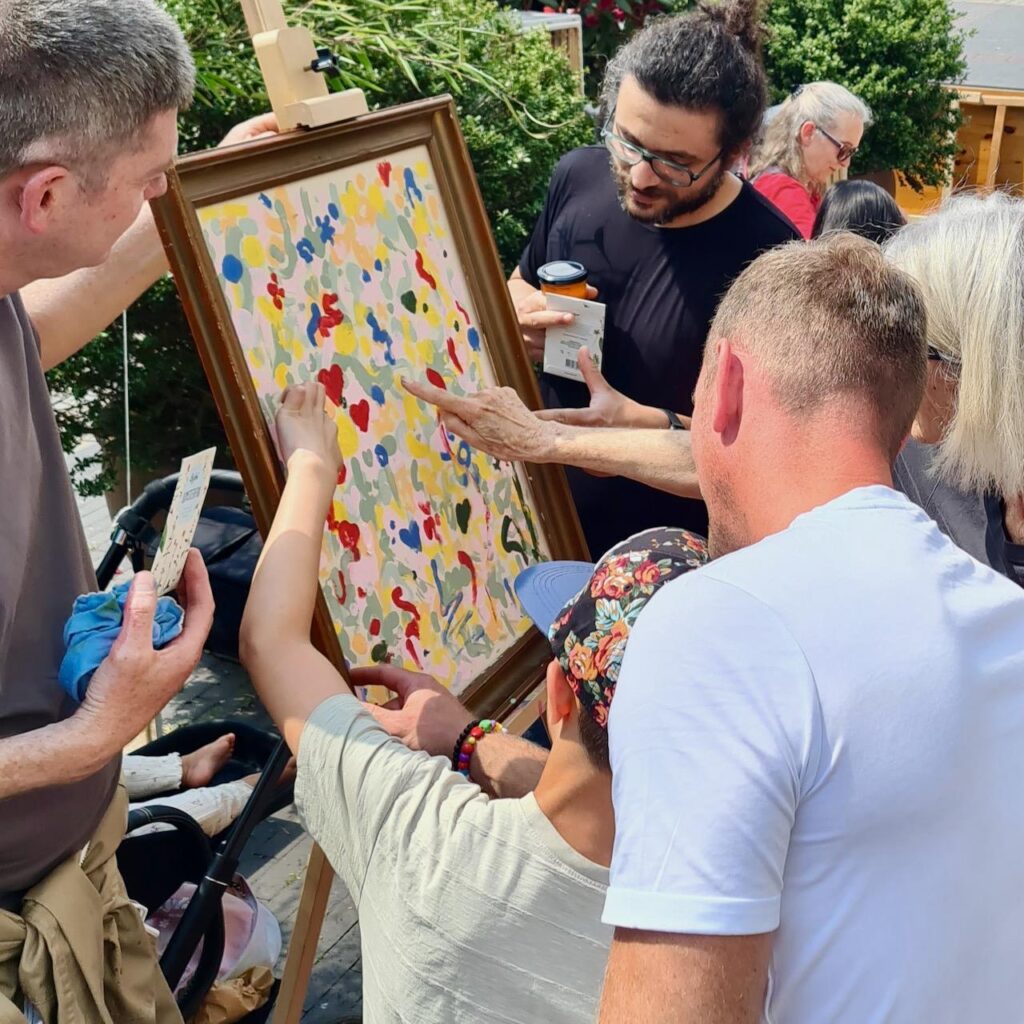
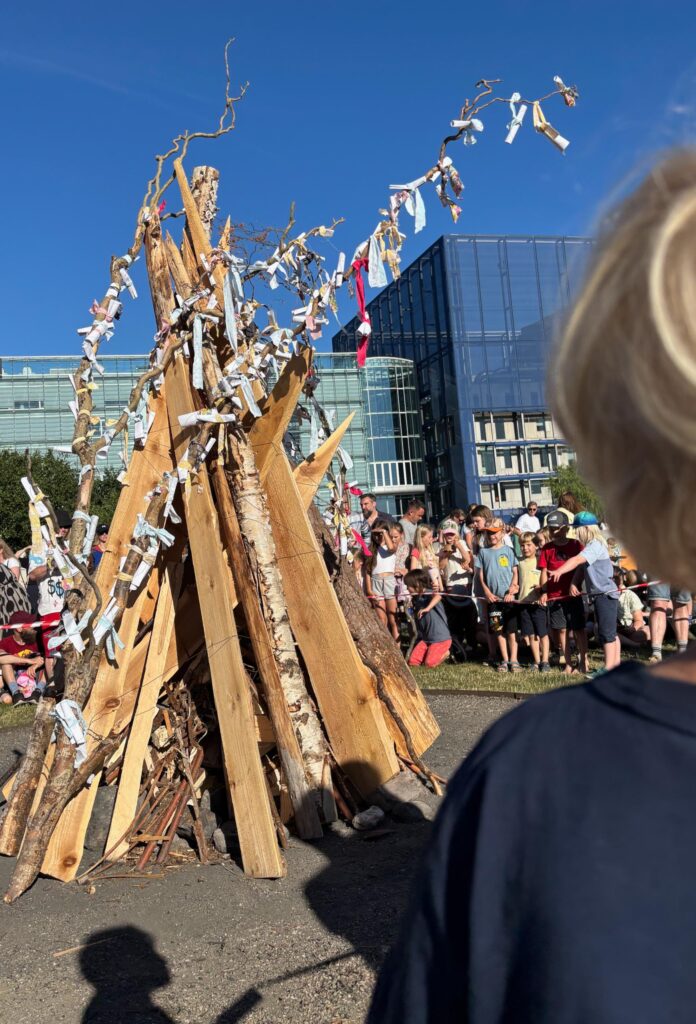
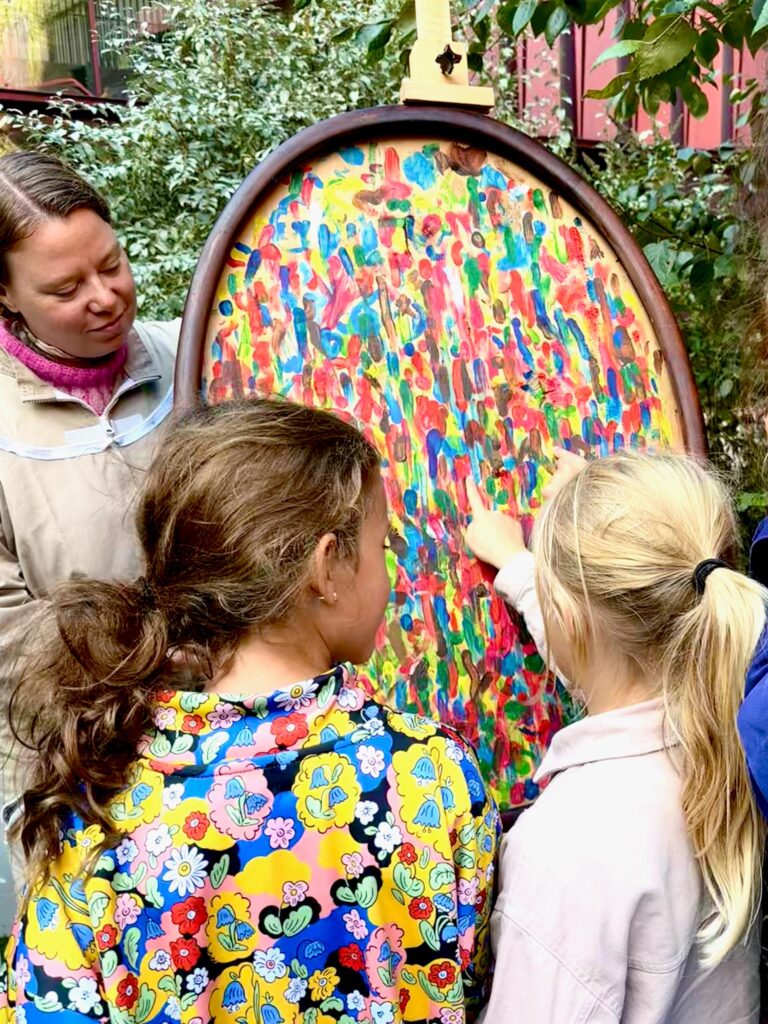
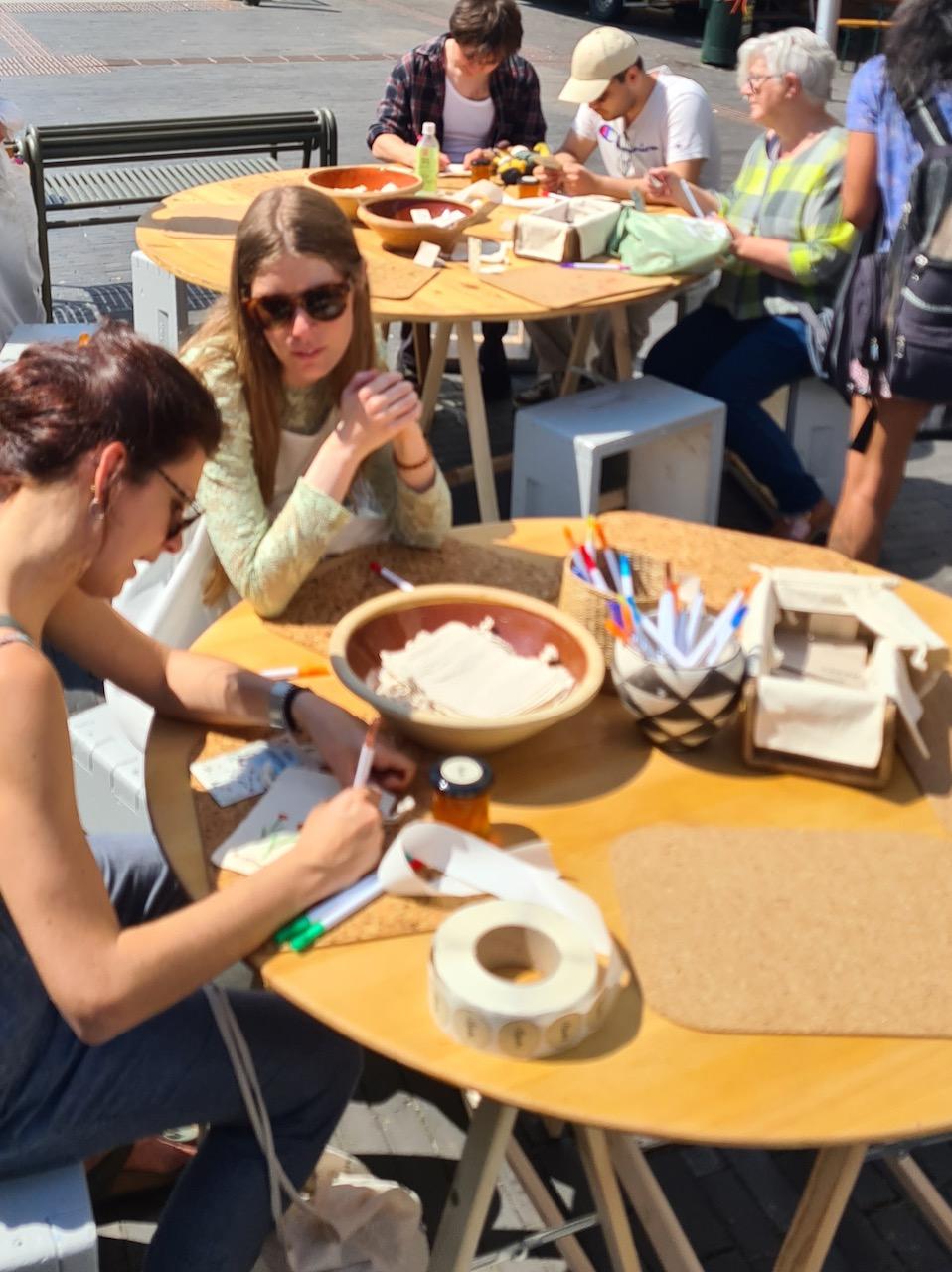
We organise installations, ceremonies and rituals at community events and gatherings. 

The honey comes with obligations: Share with someone you care for. Plant a flower to thank the bees.

Each time the honey is shared, pattens of ecological literacy are stregthened and flowers are planted to cycle back  to honey bees and other pollinators.

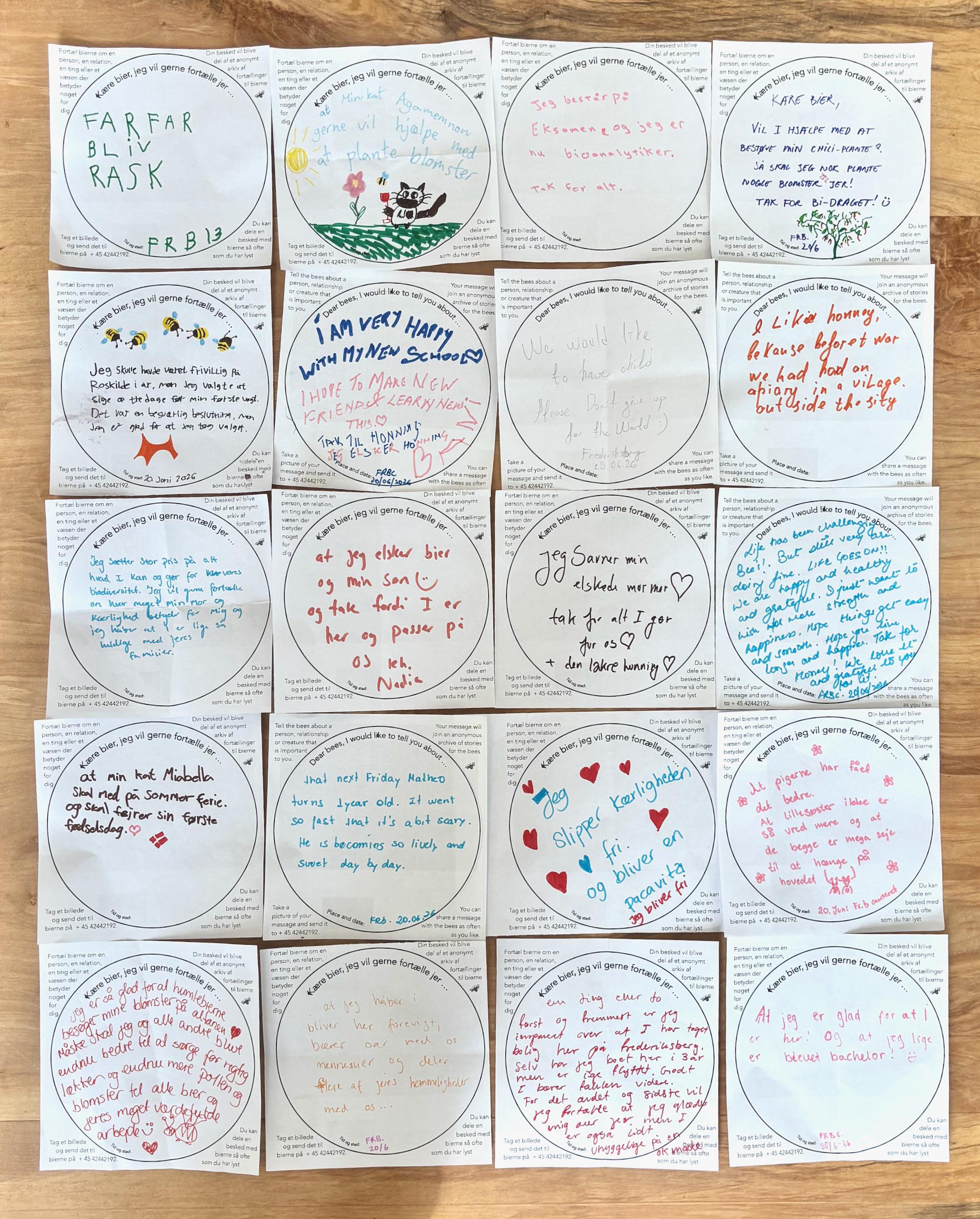
With support from the Novo Nordisk Foudation, we are renewing a tradition of  ‘telling the bees’.  

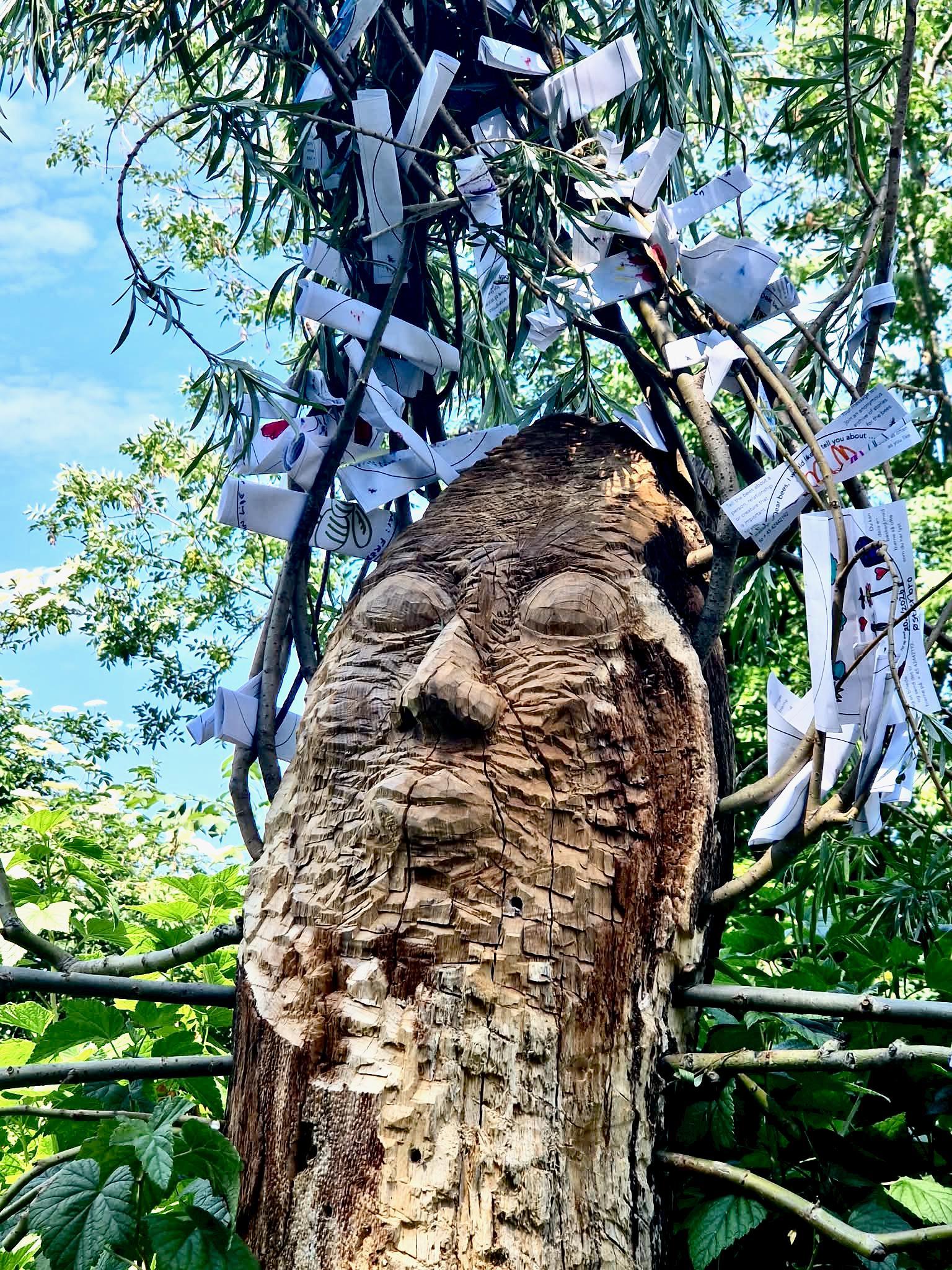
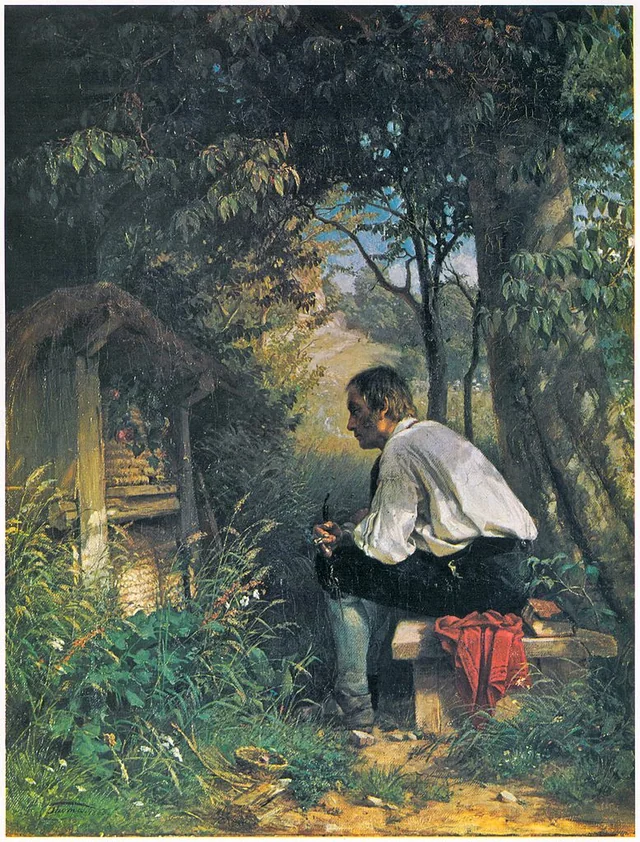
In a European tradition, community members would share news of births, deaths and marriages with the bees, who in return would offer honey and wax for light. Some hives were carved with faces. 

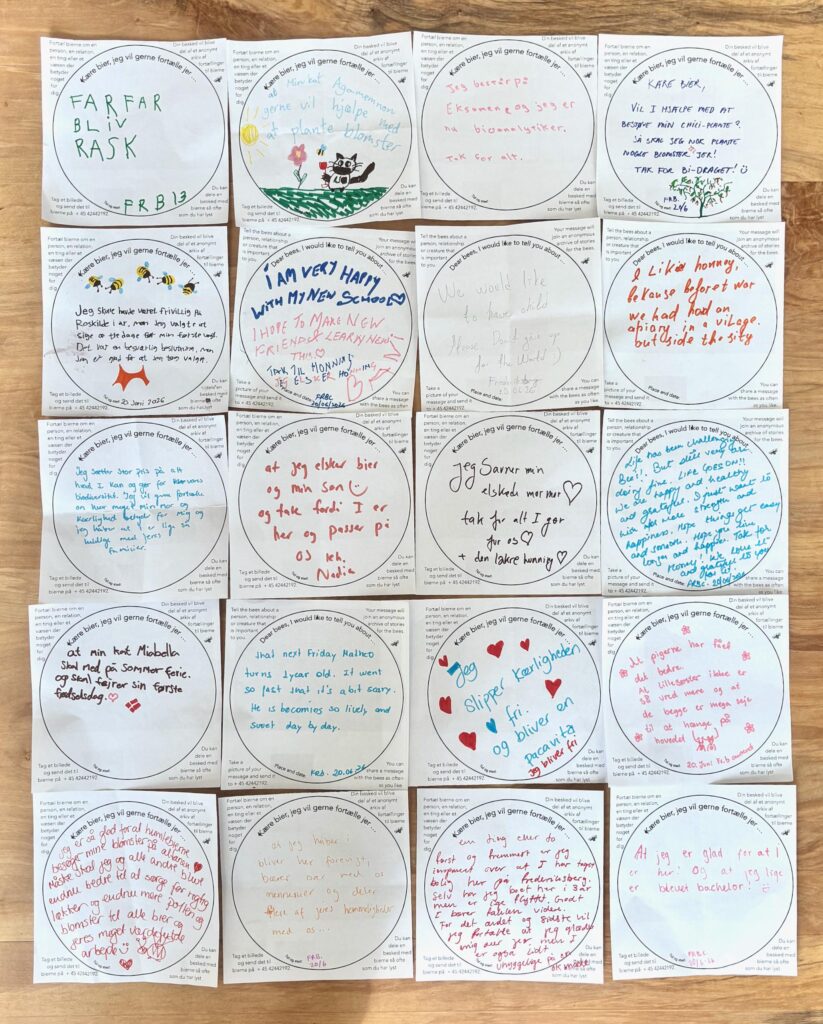
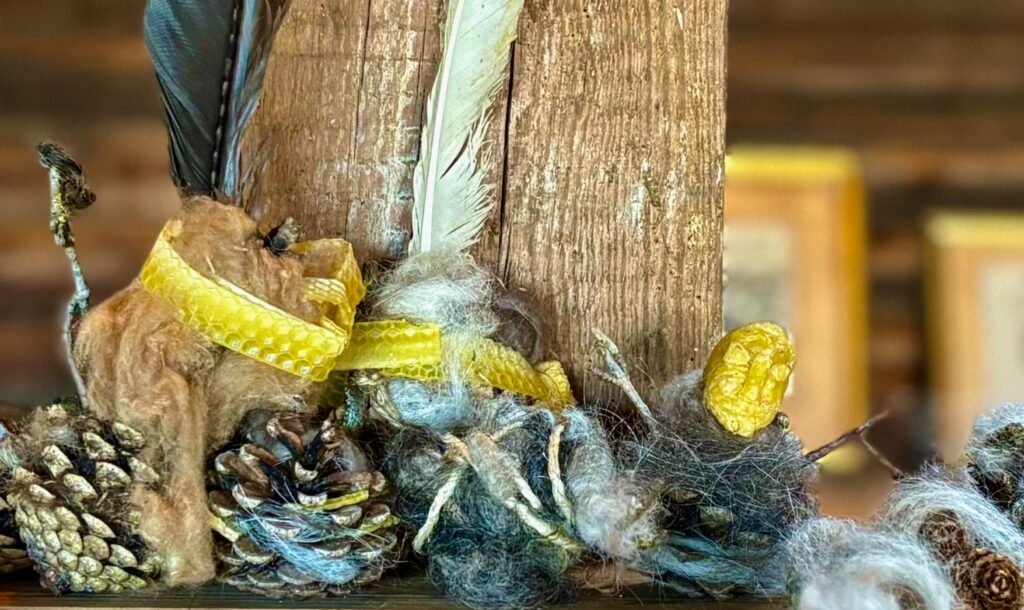
In our version, we make collective sculptures that double as homes for wild pollinators. Participants in installations we create across the city ‘tell the bees’ about relationships that are important to them.

How can we bring  these practices back into the programme of nature-days, midsummer parties, weddings, funerals, confirmations and anniversaries that already a part of the Danish social calendar? 

How do we pay for them? 

How do we map the the relationships that are built? 

What other species can we meet in this kind of dialogue?

We’ve been amazed by how open people are to the question of ‘what will you tell  the bees?’ – and equally moved by the  messages that are shared and what they  reveal about the web of connections that run through the city and it’s inhabitants. 
Field reports